
Film Faced Plywood Cost Per Use: Why Price Alone Can Be Misleading
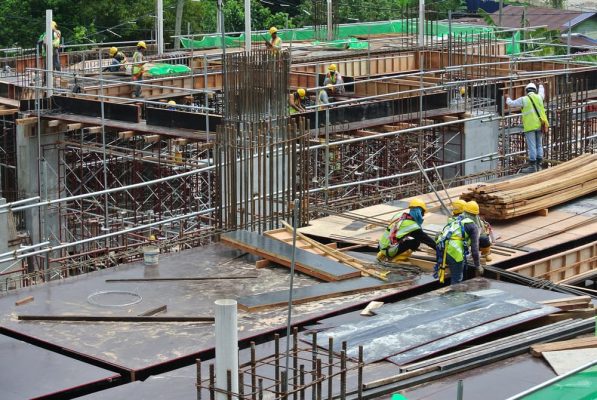
Film faced plywood panels used in real construction formwork applications.
Introduction
When sourcing film faced plywood, price is often the first factor buyers compare. A lower price per sheet may seem attractive at first, especially in competitive projects where cost control is critical.
However, in many real-world applications such as formwork and construction, focusing only on the initial price can be misleading. The true value of plywood is not determined by how cheap it is, but by how long it performs.
This is where the concept of cost per use becomes more relevant than price alone, especially when considering actual reuse cycles in real applications.
What Is Cost Per Use in Plywood?
Cost per use refers to the total cost of a plywood panel divided by the number of times it can be reused.
Two panels may look similar in specification and appearance, but their actual performance over time can be very different. A lower-priced panel that fails after a few uses may result in higher overall costs compared to a more durable panel with a higher initial price.
For example:
- Panel A: lower price, reused 5 times
- Panel B: higher price, reused 10 times
Even with a higher upfront cost, Panel B delivers better value per use. This is why experienced buyers often evaluate plywood based on long-term performance rather than initial cost.
What Affects Plywood Reuse Performance?
The number of reuse cycles depends on several technical factors related to both materials and production quality.
Core Structure
The internal structure of plywood plays a critical role in how the panel performs under load. A well-structured core distributes stress evenly across the panel, reducing the risk of weak zones.
Panels with poor core construction may contain gaps or inconsistencies (commonly known as core gaps in plywood), which can lead to early failure during repeated use.
Bonding Quality
The adhesive system and pressing process determine how well the veneer layers are bonded together. Strong bonding ensures that the panel maintains its integrity under pressure and moisture exposure.
Weak bonding increases the risk of delamination, especially in demanding environments such as concrete formwork.
Film Quality
The film surface protects the plywood from moisture, abrasion, and chemical exposure. Higher-quality film provides better resistance to wear and helps maintain the panel surface over multiple cycles.
However, film alone does not determine durability. It must work together with a stable core and strong bonding.
Edge Sealing
Edges are often the most vulnerable part of a plywood panel. Poorly sealed edges allow water to penetrate into the core, leading to swelling and reduced lifespan.
Proper edge sealing can significantly extend the number of reuse cycles.
Why Cheaper Panels May Cost More
Lower-cost plywood often achieves price advantages by reducing material quality or simplifying production processes.
This may result in:
- inconsistent core structure
- weaker bonding performance
- lower resistance to moisture and stress
As a result, panels may fail earlier, require more frequent replacement, and increase overall project costs.
In contrast, panels with better internal consistency tend to perform more reliably, even under repeated use.
Cost Per Use in Formwork Applications
In formwork applications, plywood is exposed to heavy loads, moisture, and repeated handling. Under these conditions, durability becomes a key factor.
A panel that maintains its structure and surface over multiple cycles can:
- reduce replacement frequency
- lower labor costs
- improve construction efficiency
This is why many buyers focus on cost per use rather than simply comparing price per sheet.
How to Evaluate Cost Per Use
To assess the real value of film faced plywood, buyers should consider several practical factors:
- expected number of reuse cycles
- consistency between panels
- performance in similar applications
- reliability of the supplier
Understanding how the plywood is manufactured can also provide insight into its long-term performance.
Conclusion
Price is easy to compare, but it does not tell the full story.
In film faced plywood, long-term value depends on durability, consistency, and structural integrity. By focusing on cost per use, buyers can make more informed decisions and avoid hidden costs over time.
Ultimately, the right choice is not always the cheapest panel, but the one that delivers consistent performance throughout its intended use.