
How Film Faced Plywood Surface Quality Affects Concrete Finishing
When selecting film faced plywood, buyers often focus on specifications such as core construction, glue type, or thickness. While these factors are important, one aspect is often underestimated: surface quality.
The quality of the plywood surface directly affects the appearance of finished concrete, the efficiency of formwork operations, and even the lifespan of the plywood panel. A smooth, well-manufactured surface not only improves construction results but also helps reduce labor and maintenance throughout the project.
Understanding what creates a high-quality surface allows contractors, distributors, and importers to make more informed purchasing decisions.
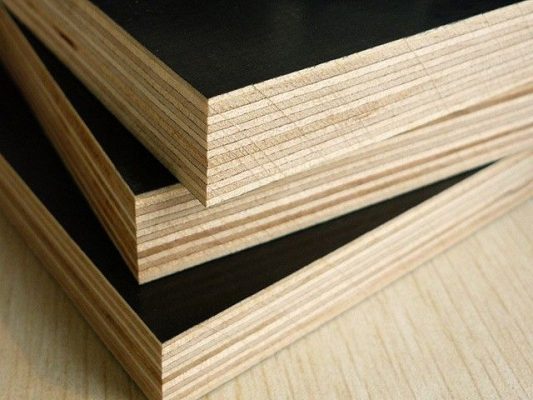
Why Surface Quality Matters in Film Faced Plywood
The surface of film faced plywood is the part that comes into direct contact with fresh concrete during casting.
Any imperfection on the plywood surface can be transferred to the concrete after the formwork is removed. This means the quality of the panel influences not only its durability but also the final appearance of the concrete structure.
A high-quality surface helps deliver:
- Smoother concrete finishes
- More consistent concrete appearance
- Easier formwork release
- Faster cleaning after each pour
- Better long-term panel performance
For projects where exposed concrete is part of the architectural design, surface quality becomes even more important.
How Surface Quality Affects Concrete Finishing
The condition of the plywood surface plays a significant role in the quality of concrete finishing.
Smoother Concrete Surfaces
A flat, smooth panel creates a more uniform concrete surface, reducing visible marks and imperfections after stripping.
This can minimize the need for additional grinding, patching, or surface repairs, helping contractors save both time and labor.
Easier Formwork Release
A properly manufactured phenolic film provides a smooth interface between the plywood and the concrete.
Combined with suitable release agents and correct handling practices, it helps reduce concrete adhesion, making demoulding more efficient while minimizing damage to both the panel and the concrete surface.
Faster Cleaning Between Reuse Cycles
Concrete residue is generally easier to remove from a smooth, intact film surface than from a damaged or uneven one.
Less cleaning time allows panels to be prepared more quickly for the next casting cycle, improving productivity on site.
More Consistent Concrete Appearance
When all panels have consistent surface quality, the finished concrete is more likely to maintain a uniform texture and appearance throughout the project.
This is especially valuable for commercial buildings, infrastructure, and architectural concrete applications where visual consistency is important.
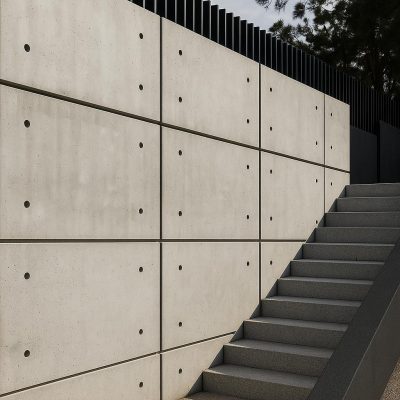
What Determines the Surface Quality of Film Faced Plywood?
A smooth surface is the result of a well-controlled manufacturing process rather than a single material.
Several factors contribute to the final surface quality.
High-Quality Phenolic Film
The phenolic film protects the plywood surface and creates a smooth contact layer for concrete casting.
A high-quality film provides better wear resistance and helps maintain surface integrity over multiple reuse cycles.
Accurate Panel Calibration
Consistent thickness and panel flatness help distribute concrete pressure evenly across the surface.
Well-calibrated panels also reduce the risk of uneven joints between adjacent sheets.
Proper Sanding
Before lamination, plywood panels should be carefully sanded to create a smooth and even base.
A well-prepared surface allows the phenolic film to bond uniformly during pressing.
Stable Hot Pressing Process
Proper pressure and temperature during hot pressing help ensure the film bonds evenly across the entire panel without wrinkles or weak bonding areas.
Common Surface Defects Buyers Should Watch For
When evaluating film faced plywood, buyers should inspect the panel carefully before shipment.
Some common surface defects include:
- Scratches on the phenolic film
- Air bubbles beneath the film
- Resin stains
- Uneven sanding marks
- Film wrinkles
- Press marks
- Edge damage affecting the film
Early inspection helps identify potential issues before the plywood reaches the construction site.
Choosing High-Quality Film Faced Plywood
Selecting film faced plywood should involve more than comparing prices.
Buyers should also evaluate how consistently the manufacturer controls the production process.
Before placing an order, consider asking your supplier:
- What type of phenolic film is used?
- How is panel flatness controlled?
- How is the surface inspected before packing?
- What quality control procedures are applied during production?
- What level of thickness tolerance can be achieved?
These questions provide a better understanding of the product than price alone.
Conclusion
The surface of film faced plywood is more than just its appearance.
It plays an important role in concrete finishing quality, formwork efficiency, panel durability, and overall project productivity.
By understanding how surface quality is achieved and what factors influence it, buyers can choose plywood that better meets their technical requirements and delivers consistent performance throughout the construction process.
Looking for film faced plywood with consistent surface quality for concrete formwork?
Our team is ready to provide technical specifications, product recommendations, and support to help you choose the right solution for your next project.