
Top Critical Defects in Film-Faced Plywood You Must Check Before Buying from Vietnam
Introduction
When sourcing film-faced plywood from Vietnam, many buyers focus on price and specifications.
However, the biggest risks often come from hidden defects that directly affect performance, durability, and safety.
Some defects are cosmetic.
Others will lead to immediate rejection or failure on-site.
Below are the critical defects in film-faced plywood that should never be overlooked.
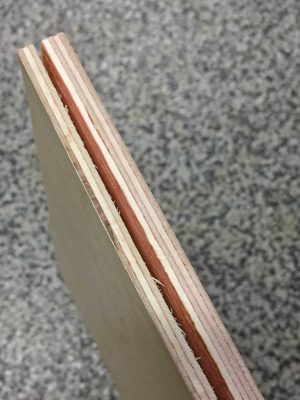
1. Delamination (Core or Glue Line Failure)
Delamination is one of the most serious structural defects.
It occurs when the bonding between veneers fails, either within the core or at the glue line.
Impact:
- Loss of structural integrity
- Panels fail under load
- Very short service life
This defect is always unacceptable in any application.
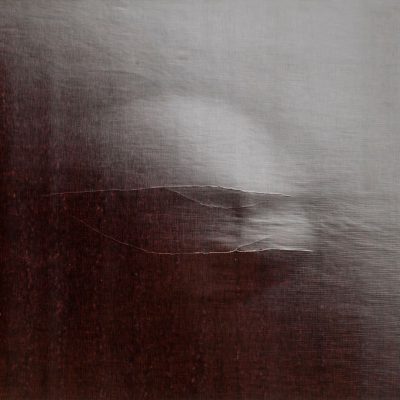
2. Film Delamination / Poor Film Adhesion
The phenolic film should be firmly bonded to the plywood surface.
If the film peels off, the panel becomes exposed to external conditions.
Impact:
- Water penetration into the panel
- Reduced durability
- Significant drop in reusability
3. Severe Bubbling or Blistering
Bubbling on the surface is often caused by:
- High moisture content in veneers
- Improper hot pressing conditions
Impact:
- Indicates internal bonding problems
- Reduces mechanical strength
- Leads to early failure during use
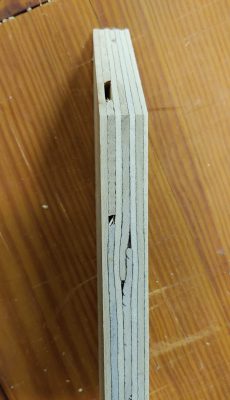
4. Open Core Gaps and Unfilled Voids
Core gaps occur when veneers are not properly jointed or repaired.
Impact:
- Weak internal structure
- Uneven load distribution
- Reduced bending strength
High-quality plywood should use stitched or properly repaired core veneers.
5. Edge Failure (Unsealed or Poorly Bonded Edges)
Edges are the most vulnerable part of any plywood panel.
If edges are not properly sealed:
Impact:
- Moisture ingress
- Swelling and thickness increase
- Rapid deterioration
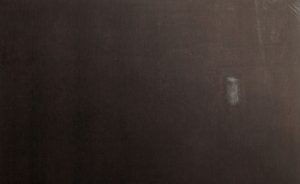
6. Burnt or Degraded Film Surface
Over-pressing during production can damage the film surface.
Impact:
- Reduced abrasion resistance
- Lower reuse cycles
- Reduced cost efficiency in formwork applications
Why These Defects Matter
These defects are not just about appearance.
They directly affect:
- Structural performance
- Safety on construction sites
- Reusability and cost efficiency
For buyers importing film-faced plywood from Vietnam, understanding these risks is essential.
How to Choose a Reliable Film-Faced Plywood Supplier
To avoid these issues, buyers should carefully evaluate:
- Core structure (no gaps, well-jointed veneers)
- Glue type (phenolic WBP)
- Film quality (e.g., Dynea film)
- Moisture control during production
- Edge sealing quality
In addition, compliance is becoming increasingly important for EU markets:
- FSC certification for responsible sourcing
- EUDR readiness for legal timber traceability
Film Faced Plywood with FSC and EUDR Compliance
For European buyers, sourcing plywood is no longer only about quality, but also compliance and risk management.
At AMC Vietnam, our film faced plywood can be supplied with:
- FSC certification (Chain of Custody)
- EUDR-ready sourcing with traceable raw materials
- Controlled and documented supply chain
This helps buyers:
- Meet EU regulatory requirements
- Reduce import risks
- Strengthen sustainability positioning
About AMC Vietnam
Our film faced plywood is manufactured with:
- Controlled veneer moisture (8–10%)
- Stitched core to eliminate gaps
- Phenolic WBP glue
- High-quality film options, including Dynea
This ensures consistent performance and high reusability in demanding construction applications.
Contact Us
If you are looking for a reliable supplier of film-faced plywood from Vietnam with FSC and EUDR compliance, feel free to contact us:
🌐 https://amcvietnam.com.vn/en/
📱 WhatsApp: +84 966 952 344