
How to Protect Film Faced Plywood During Transportation and On-Site Handling
High-quality film faced plywood is designed to deliver reliable performance in concrete formwork applications. However, even well-manufactured panels can suffer damage if they are not properly protected during transportation and handled carefully on site.
Surface scratches, chipped edges, or improper stacking may not seem significant at first, but they can reduce panel durability, affect concrete finishing quality, and shorten the product’s service life.
From the moment plywood leaves the factory until it is installed on a construction site, proper handling plays an important role in maintaining product quality.
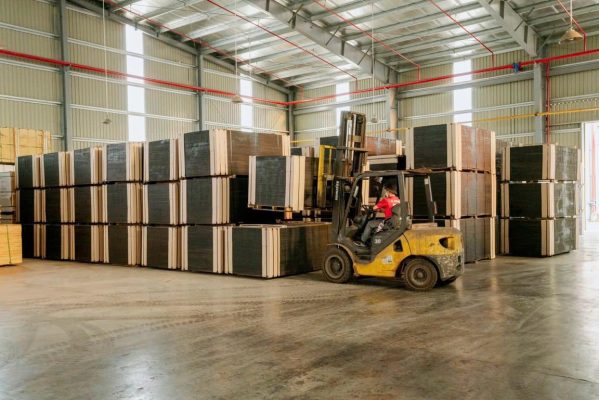
Why Proper Handling Matters
Film faced plywood is manufactured with a durable phenolic film to provide a smooth casting surface and protect the panel from moisture during normal use.
However, transportation and handling expose plywood to different types of mechanical stress that cannot be prevented by the film alone.
Common causes of damage include:
- Scratches caused by dragging panels
- Chipped edges during loading and unloading
- Moisture entering damaged edges
- Corner impact during transportation
- Uneven stacking that may affect panel flatness
Many of these issues can be avoided through proper packaging, transportation, and handling practices.
Protecting Film Faced Plywood During Transportation
The transportation process begins long before the truck or container leaves the factory.
Proper export packaging helps minimize movement during transit and protects the plywood from external damage.
Good transportation practices include:
- Securing bundles with steel or polyester straps.
- Using corner protectors to reduce edge and corner damage.
- Wrapping bundles with protective plastic to reduce exposure to dust and moisture.
- Stacking bundles evenly to prevent shifting inside the container.
- Filling empty spaces in the container when necessary to minimize movement during transportation.
Careful container loading also helps distribute weight evenly and reduces the risk of impact during long-distance shipping.
Handle Panels Carefully During Unloading
Improper unloading is one of the most common causes of accidental panel damage.
When unloading film faced plywood:
- Use forklifts with properly adjusted forks.
- Lift complete bundles whenever possible.
- Avoid dropping bundles onto hard surfaces.
- Keep panels level while moving them.
- Protect corners from direct impact.
Even small impacts can damage edge coatings, allowing moisture to penetrate the plywood during future use.
Best Practices for On-Site Handling
Once the plywood reaches the construction site, careful handling becomes equally important.
To maintain panel quality:
- Lift panels instead of dragging them across rough surfaces.
- Store panels on flat pallets or timber supports.
- Avoid direct contact with standing water or muddy ground.
- Protect panels from unnecessary impact during installation.
- Cover unused panels if they must remain outdoors for extended periods.
These simple practices help preserve both the phenolic film surface and the structural integrity of the panel.
Inspect Panels Before Installation
Before the first use, a quick inspection helps ensure the plywood remains in good condition after transportation.
Check for:
- Surface scratches
- Damaged phenolic film
- Chipped corners
- Cracked or damaged edge sealing
- Moisture damage caused during transportation or storage
Identifying damage early allows panels to be repaired or separated before they affect construction quality.
Small Precautions Can Extend Panel Performance
Many buyers focus on plywood specifications such as core construction, glue type, or film quality.
While these factors are essential, careful transportation and proper handling are equally important for maintaining product performance.
Protecting the panel throughout its journey, from the factory to the construction site, helps preserve surface quality, improve concrete finishing, and support more consistent reuse throughout the project.
Conclusion
The performance of film faced plywood depends not only on manufacturing quality but also on how the panels are transported and handled after production.
Proper packaging, secure transportation, careful unloading, and correct on-site handling all contribute to maintaining panel condition and extending service life.
By following these practical handling guidelines, contractors, distributors, and importers can reduce unnecessary damage and help ensure the plywood performs as intended throughout its working life.
Looking for film faced plywood with reliable quality and export-ready packaging?
AMC VIETNAM supplies film faced plywood for international markets with strict quality control and secure packaging to help protect products throughout transportation.
Contact our team to learn more about our product specifications and export solutions.