
Why Plywood Consistency Matters in Construction Projects
Introduction
When evaluating plywood, buyers often focus on visible specifications such as thickness, film type, glue grade, or density. While these factors are important, they do not always guarantee stable performance across different production batches.
In real construction projects, plywood consistency is often more important than specification alone.
Two plywood panels may share the same nominal specification but still perform differently due to variations in raw materials, moisture control, core structure, or pressing quality. For contractors, importers, and distributors, inconsistent plywood quality can create far greater problems than isolated defects.
What Does Plywood Consistency Mean?
Plywood consistency refers to the ability to maintain stable quality and performance across production batches.
This includes:
- stable panel thickness
- consistent bonding strength
- uniform core structure
- controlled moisture content
- reliable surface quality
Consistency is especially important in film faced plywood used for concrete formwork, where panels are exposed to repeated loading, moisture, and handling.
Why Specifications Alone Are Not Enough
Many plywood products may appear similar on paper. Two suppliers can offer the same thickness, film color, and glue specification, yet the actual performance on-site can differ significantly.
This happens because plywood performance depends not only on specification, but also on manufacturing plywood consistency.
Factors such as veneer quality, moisture variation, and core assembly directly affect the final panel performance.
As a result, panels with identical specifications may show differences in:
- durability
- reuse cycles
- dimensional stability
- resistance to delamination
The Importance of Core Structure Consistency
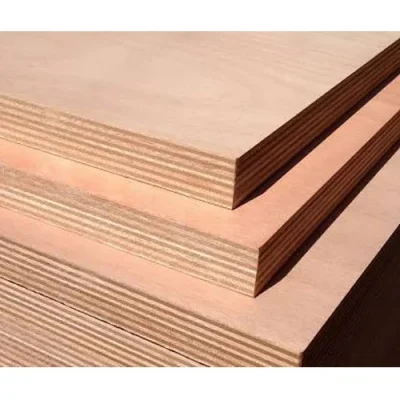
One of the most critical factors in plywood quality is the internal core structure.
Poorly controlled production may lead to:
- core gaps
- veneer overlaps
- uneven density distribution
- weak bonding zones
These internal inconsistencies are not always visible from the surface, but they can reduce panel strength and shorten service life.
A stable core structure helps distribute pressure more evenly during use and improves overall panel reliability.
Moisture Control and Production Stability
Moisture content plays a major role in plywood manufacturing.
If veneer moisture levels are inconsistent before pressing, the final panel may experience:
- warping
- bonding issues
- dimensional instability
Professional plywood manufacturers invest heavily in veneer drying and moisture control systems to ensure stable production conditions.
Consistent moisture management contributes directly to better bonding quality and improved long-term performance.
Why Consistency Matters in Large Construction Projects
In large-scale construction projects, inconsistent plywood quality can create operational problems beyond the material itself.
Variations between panels may lead to:
- uneven concrete surface finish
- inconsistent reuse performance
- unexpected panel failure
- increased replacement frequency
For contractors and importers, these issues can increase labor costs, slow project timelines, and reduce overall efficiency.
This is why many professional buyers prioritize supplier reliability and production consistency rather than focusing only on the lowest price.
Consistency and Long-Term Value
Consistent plywood quality supports better long-term value.
Panels that perform predictably across multiple uses help reduce:
- material waste
- replacement costs
- quality complaints
- project delays
In film faced plywood applications, consistency also contributes to more stable cost-per-use performance over time.
Rather than evaluating plywood based only on initial price, many buyers now focus on repeatability and long-term reliability.
How Professional Manufacturers Improve Plywood Consistency
Maintaining consistent plywood quality requires stable production processes and strict quality control.
This typically includes:
- careful veneer selection
- controlled veneer drying
- stable lay-up procedures
- accurate pressing parameters
- continuous quality inspection
Manufacturers that focus on process control are generally able to deliver more reliable performance across shipments.
Conclusion
In plywood manufacturing, specifications are important, but plywood consistency is what determines long-term reliability.
For construction projects and industrial applications, stable panel performance across production batches can significantly reduce operational risks and improve overall efficiency.
As global buyers place increasing emphasis on durability, reliability, and responsible sourcing, stable manufacturing quality has become one of the key factors in evaluating a professional plywood manufacturer.