
What Is EUDR and Why Does It Matter to Plywood Importers?
The global wood products industry is entering a new era of supply chain transparency. One of the most significant developments in recent years is the European Union Deforestation Regulation (EUDR), a regulation that is changing how wood and timber products are sourced, documented, and imported into the European market.
For plywood importers, understanding EUDR is becoming increasingly important. While product quality, pricing, and delivery schedules remain essential factors, importers must now pay closer attention to traceability and supply chain information.
What Is EUDR?
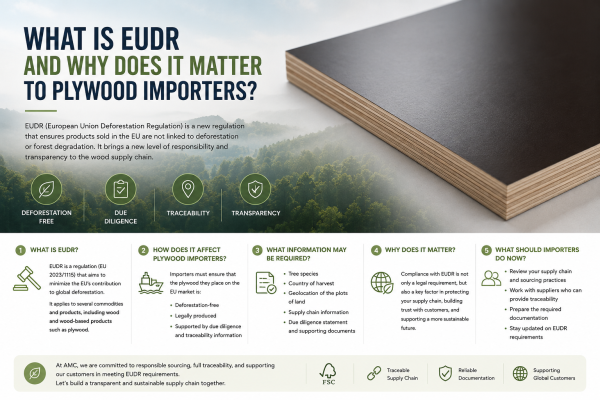
EUDR stands for the European Union Deforestation Regulation.
The regulation aims to reduce the EU’s contribution to global deforestation and forest degradation by ensuring that certain products placed on the EU market are sourced from land that has not been subject to deforestation after the specified cut-off date.
The regulation applies to several commodities and products, including wood and many wood-based products such as plywood.
As a result, companies importing plywood into the European Union need to understand the requirements and ensure that their supply chains can provide the necessary information.
Why Was EUDR Introduced?
Deforestation has become a major environmental concern worldwide.
Governments, businesses, and consumers are increasingly seeking ways to ensure that products are sourced responsibly and sustainably.
The European Union introduced EUDR to improve supply chain transparency and reduce the risk that products sold within the EU are linked to deforestation or forest degradation.
The regulation places greater emphasis on knowing where raw materials come from and being able to demonstrate that they meet the required standards.
How Does EUDR Affect Plywood Importers?
For plywood importers, EUDR introduces a new layer of due diligence.
Traditionally, importers focused on factors such as:
- Product specifications
- Quality consistency
- Pricing
- Delivery performance
- Supplier reliability
These factors remain important, but EUDR adds additional requirements related to traceability and documentation.
Importers may need to collect and maintain information about the origin of wood used in the products they purchase.
This means working closely with suppliers that can provide accurate and reliable supply chain information.
What Information May Be Required?
Although specific compliance requirements depend on individual circumstances, plywood buyers are increasingly requesting information such as:
- Tree species used in production
- Country of harvest
- Supply chain documentation
- Due diligence records
- Information supporting legal sourcing
- Geolocation data associated with the origin of raw materials
As a result, documentation is becoming a critical part of the international plywood trade.
Why Traceability Matters More Than Ever
In the past, certifications and supplier declarations were often the primary tools used to demonstrate responsible sourcing.
Today, buyers are looking for greater visibility into the supply chain.
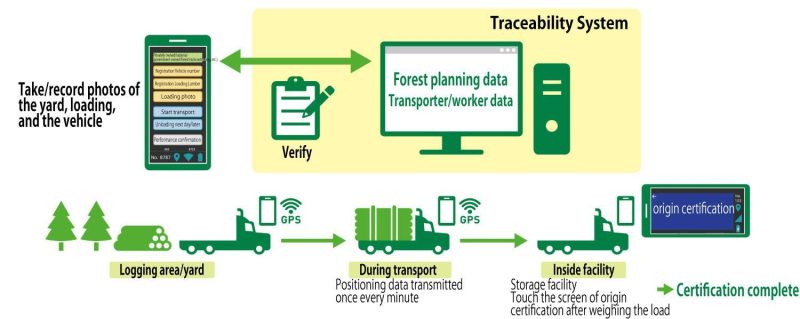
Traceability allows companies to better understand where materials originate and provides greater confidence when meeting regulatory requirements.
For plywood manufacturers, establishing transparent sourcing systems is becoming an important competitive advantage.
For importers, choosing suppliers that can support traceability efforts helps reduce compliance risks and improve supply chain confidence.
What Should Plywood Importers Do Now?
Companies importing plywood into the European market should begin reviewing their supply chains and discussing EUDR requirements with their suppliers.
Key questions may include:
- Can the supplier provide traceability information?
- What documentation is available regarding raw material sourcing?
- How is supply chain information managed and maintained?
- What processes are in place to support due diligence requirements?
Preparing early can help companies adapt more smoothly as regulatory requirements continue to evolve.
EUDR Is About More Than Compliance
While EUDR is a regulatory requirement, it also reflects a broader trend within the wood products industry.
Customers, regulators, and businesses increasingly expect greater transparency regarding how products are sourced and manufactured.
For plywood importers, understanding EUDR is no longer simply a compliance issue. It is becoming an important part of supplier selection, risk management, and long-term business planning.
As the industry continues to adapt, companies that invest in transparency and traceability will be better positioned to meet customer expectations and navigate future regulatory requirements.